The Charm and Challenge of Fencing Historic Charlotte Neighborhoods
The tree-lined streets of Belmont and Biddleville are among the most desirable neighborhoods in Charlotte, where 1930s bungalows sit beneath towering oaks and maples that have been growing for nearly a century. These mature trees create a picturesque setting that draws homeowners to the area, but they also present a unique challenge when it comes to installing a new fence. If you own one of these classic homes and are considering Wood & Privacy Fence Installation, you'll need to understand how established root systems can complicate the installation process and affect the longevity of your fence.
Many homeowners in these historic neighborhoods are surprised to learn that the very trees that make their properties beautiful can make fence installation more complicated. Decades-old root systems spread horizontally beneath the soil, sometimes extending far from the tree trunk itself. When contractors begin digging post holes for a new fence, they often encounter these roots, which requires careful planning and expert technique to avoid damaging the trees or compromising the structural integrity of your new fence.
How Long Does a Wood Fence Last in Charlotte's Climate?
Understanding fence lifespan is critical before you invest in a new fence for your Belmont or Biddleville property. In Charlotte's subtropical climate, a well-constructed wood fence typically lasts between 15 to 20 years, though this timeline can vary significantly based on maintenance, wood quality, and local environmental factors. The combination of hot, humid summers and occasional freeze-thaw cycles during winter creates conditions that accelerate wood deterioration compared to drier climates. High moisture levels promote rot and fungal growth, while temperature fluctuations can cause wood to expand and contract, leading to warping and splitting.
The specific lifespan of your wood fence also depends on the type of wood used and the quality of the installation. Premium pressure-treated lumber and cedar can last toward the upper end of that range, while less expensive materials may show significant wear within 10 to 15 years. Regular maintenance, including staining or sealing every two to three years, can extend your fence's life considerably. Charlotte Fence Contractors recommends that homeowners budget for periodic maintenance to maximize their investment and keep their fence looking attractive for as long as possible.
Signs You Need a New Fence: When Replacement Becomes Necessary
Recognizing when to replace a fence is important for both safety and property value. Several key indicators suggest that your wood fence has reached the end of its useful life. Look for widespread rot, particularly at the base of posts where moisture accumulation is most common. If you can push a screwdriver or awl into the wood and it sinks in easily, that's a clear sign of advanced decay. Similarly, large sections of missing or severely weathered wood, leaning posts, or panels that no longer stand plumb indicate structural failure. Pest damage from termites or carpenter ants is another serious concern that often necessitates replacement rather than repair.
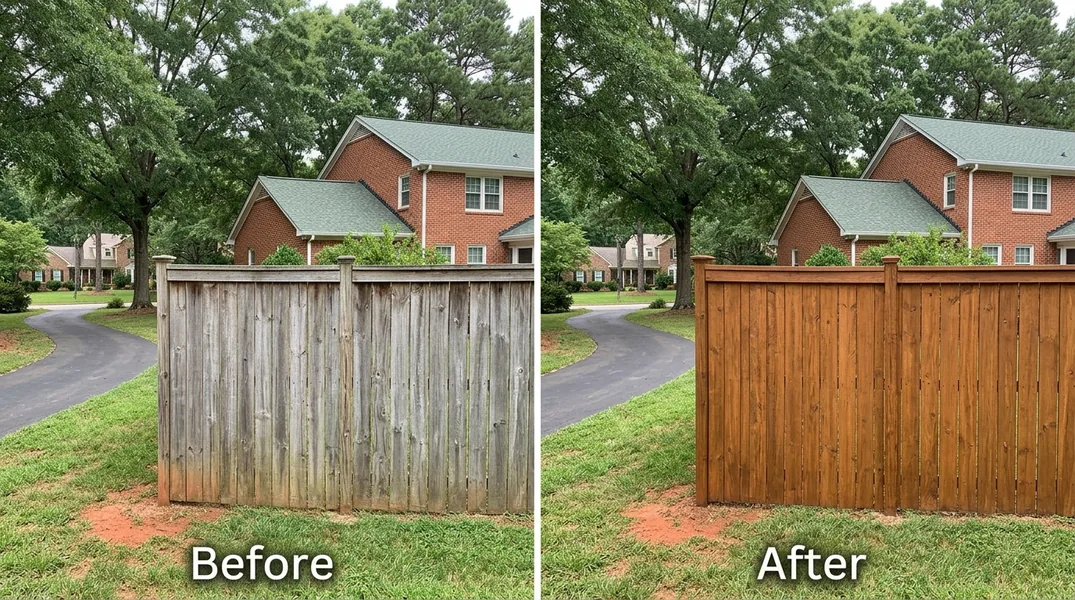
Beyond structural issues, aesthetic considerations matter too. If your fence has become an eyesore with extensive discoloration, deep cracks running through multiple boards, or a general appearance of neglect despite your maintenance efforts, replacement may be the most practical solution. In neighborhoods like Belmont and Biddleville where property aesthetics contribute to community character and home values, a deteriorated fence can detract from your home's curb appeal. If you're noticing multiple signs you need a new fence, don't delay. Contact Charlotte Fence Contractors at (980) 208-1290 to discuss your options and get a free estimate for replacement.
Working Around Old Tree Roots: Installation Challenges and Solutions
Installing a fence on a property with mature trees requires specialized knowledge and careful technique. The primary challenge is locating and working around established root systems without damaging the trees or creating weak points in your fence. Before any digging begins, professional contractors should conduct a thorough site assessment to identify tree locations and anticipate root patterns. Trees typically develop root systems that extend outward at least as far as their canopy, and sometimes much farther, so roots can appear in unexpected places.
When contractors encounter large roots during post hole digging, they have several options. The most common approach is to carefully dig around the root, creating an offset post location that maintains proper fence alignment while avoiding damage to the tree. In some cases, roots can be carefully cut if they're smaller diameter roots that won't compromise the tree's health, but this requires expertise and should only be done by professionals who understand tree biology. Another solution involves using adjustable fence brackets or angled posts that allow the fence line to navigate around obstacles while maintaining structural integrity. For homeowners in Charlotte with particularly challenging root situations, alternative materials like Vinyl & PVC Fence Installation might offer advantages, as they can sometimes be installed with different post configurations that work better with root systems.
Wood & Privacy Fence Installation Near Me: When to Call Professional Contractors
While some homeowners attempt DIY fence installation, working with established tree roots is definitely a situation where professional expertise pays dividends. Charlotte Fence Contractors has extensive experience installing Wood & Privacy Fence Installation in historic neighborhoods where mature trees are common. Our team understands the specific challenges that properties in Belmont and Biddleville present and has developed strategies to navigate these obstacles while ensuring your fence is installed correctly and will last as long as possible.
Professional installation offers several advantages beyond just handling root systems. Contractors have access to specialized equipment for digging post holes efficiently and safely, they understand local building codes and setback requirements, and they can ensure proper post depth and concrete setting for maximum stability. They also carry liability insurance and provide warranties on their work, protecting your investment. When you're ready to move forward with your fence project, Charlotte Fence Contractors is here to help. Call us at (980) 208-1290 or visit our website to request a free estimate for your property.
Planning Your Fence Project: Timeline and What to Expect
Once you've decided to install a new fence and chosen a contractor, understanding the project timeline helps you prepare appropriately. For a typical residential wood fence installation in Charlotte, the actual construction usually takes three to five business days, depending on the fence length, site conditions, and whether significant root obstacles require extra problem-solving. However, the total project timeline includes several preliminary steps. Before work begins, you'll need to mark utility lines, finalize design choices, and address any permitting requirements. Most municipalities in the Charlotte area require fence permits, particularly for properties in historic districts like Belmont and Biddleville.
Weather also plays a role in scheduling. While Charlotte's climate is generally favorable for fence installation year-round, late spring through early fall offers ideal conditions. Winter can introduce challenges if frozen ground makes digging difficult, and heavy rain can delay work. When you request your free estimate from Charlotte Fence Contractors, our team will discuss realistic timelines for your specific property and help you plan accordingly. We'll also explain what to expect during the installation process, including how we'll manage any tree root challenges and what preparation you should do beforehand, such as clearing the fence line or marking underground utilities. Understanding these details upfront ensures a smooth project and helps you protect your investment in your 1930s bungalow.
Looking for a professional tree service in Charlotte? Charlotte Fence Contractors responds fast for all your fence needs.
Get a Free Quote