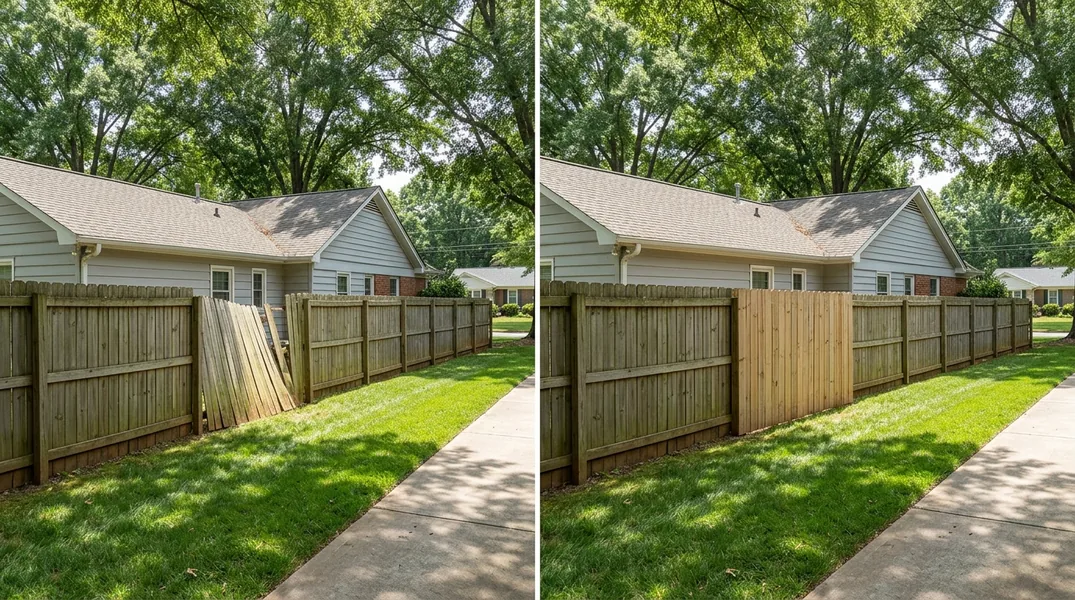
Understanding HOA Fence Regulations in Gaston and Iredell County
If you own a home in Gaston or Iredell County near Charlotte, your homeowners association (HOA) likely has specific rules governing fence installation, materials, height, and placement. These regulations exist to maintain property values, ensure aesthetic consistency, and protect the community's overall appearance. Before you invest in any fence project, understanding your HOA's requirements is essential to avoid costly mistakes, fines, or the need to remove a newly installed fence.
HOA rules vary significantly from one community to another, even within the same county. Some associations are strict about material choices, while others focus primarily on height and setback requirements. The best first step is to review your HOA's architectural guidelines or covenant documents, which should detail all fence-related restrictions. If you cannot locate these documents, contact your HOA board directly. Many homeowners in the Charlotte area find that a quick conversation with their HOA can clarify expectations and prevent headaches down the road.
Common HOA Fence Material Restrictions
When it comes to the best fence material for your HOA property, your choices may be limited by community guidelines. Many HOAs in Gaston and Iredell County restrict materials to maintain a cohesive neighborhood aesthetic. Wood & Privacy Fence Installation is popular in traditional neighborhoods, but some HOAs require specific wood types, stain colors, or maintenance standards. Others prohibit wood entirely in favor of alternatives that require less upkeep.
Vinyl & PVC Fence Installation has become increasingly popular in HOA communities because it offers a clean, uniform appearance and minimal maintenance requirements. Many HOAs appreciate vinyl because it doesn't require annual staining, sealing, or repairs that wooden fences demand. However, some conservative communities view vinyl as too modern or artificial. Aluminum & Ornamental Iron Fencing is another option that appeals to upscale HOA communities, particularly in neighborhoods with a more formal or classical aesthetic. Before selecting any material, verify that your HOA permits it. Choosing an unapproved material could result in a violation notice or a requirement to remove the fence entirely.
Vinyl vs Wood Fence: Which Option Complies with HOA Standards?
The debate between vinyl and wood fencing is especially relevant for homeowners in HOA-governed communities. When comparing vinyl vs wood fence options, it's important to consider not just your personal preference, but also what your HOA permits. Wood fencing offers a natural, warm aesthetic that many homeowners love, and it can be stained or painted to match your home's exterior. However, wood requires regular maintenance, including annual sealing or staining to prevent rot, warping, and insect damage. Some HOAs require proof of maintenance or may inspect wooden fences to ensure they meet appearance standards.
Vinyl fencing eliminates many maintenance concerns and appeals to HOAs focused on long-term property appearance. Vinyl doesn't rot, splinter, or require staining, and it maintains its color and finish for decades with minimal care. The vinyl vs wood fence cost comparison often favors vinyl in the long run, despite higher upfront expenses, because you avoid ongoing maintenance expenses. Many HOAs in Gaston and Iredell County have begun to prefer vinyl or composite materials because they reduce the likelihood of poorly maintained fences detracting from community aesthetics. If your HOA permits both materials, discuss the pros and cons with a professional installer who understands local requirements.
Height, Setback, and Placement Requirements
Beyond material choice, HOA rules typically govern fence height, setback distance from property lines, and placement relative to sidewalks and streets. Most HOAs in Gaston and Iredell County limit residential fence height to between four and six feet, though some allow taller fencing in backyard areas. Front yard fences are often restricted to lower heights (typically three to four feet) to maintain sight lines and preserve the neighborhood's open feel. Setback requirements specify how far your fence must be positioned from your property line, which can affect the usable yard space and the final design of your installation.
Placement rules may also restrict fences in certain areas, such as near corner lots where visibility is critical for traffic safety, or in designated view corridors that HOAs want to preserve. Some communities prohibit fences along the front of homes entirely, allowing them only in side and back yards. Understanding these spatial restrictions is crucial before you plan your fence project. Charlotte Fence Contractors recommends reviewing your property survey and HOA documents together to identify exactly where a fence can be installed. If you're uncertain about setbacks or placement, a professional fence contractor can help interpret the rules and ensure your installation complies with all HOA requirements.
Best Low Maintenance Fence Options for HOA Compliance
If your HOA prioritizes the best low maintenance fence option, vinyl, composite, and aluminum materials are your strongest candidates. These materials eliminate the seasonal maintenance burden that wood requires. Vinyl fencing requires only occasional cleaning with soap and water, and it won't splinter, crack, or need repainting over time. Composite fencing, which blends wood fibers with plastic, offers a wood-like appearance while requiring minimal upkeep. Aluminum fencing is lightweight, rust-resistant, and doesn't need staining or sealing, making it ideal for HOA communities that enforce strict appearance standards.
When you select a low-maintenance material that complies with your HOA's guidelines, you're investing in both peace of mind and long-term property value. Homeowners in Charlotte and surrounding areas appreciate fences that look great year after year without constant attention. If you're ready to explore maintenance-free fencing options that meet your HOA requirements, Charlotte Fence Contractors can review your community's guidelines and recommend materials that balance aesthetics, durability, and ease of care. Contact us at (980) 208-1290 or request a free estimate to discuss your specific situation.
Vinyl vs Wood Fence Cost in Gaston and Iredell County: Budget Considerations
Understanding the vinyl vs wood fence cost comparison is essential when planning your HOA-compliant fence project. Wood fencing typically has a lower upfront installation cost than vinyl, which can be attractive to budget-conscious homeowners. However, wood's lower initial expense doesn't account for the ongoing costs of maintenance, repairs, staining, and potential replacement of damaged sections over time. Over a 15 to 20-year period, wood fencing often becomes more expensive than vinyl when you factor in labor and materials for regular maintenance.
Vinyl fencing carries a higher initial pricing tag, but the absence of maintenance costs makes it economical over the long term. Vinyl typically lasts 20 to 30 years with minimal upkeep, whereas wood may need significant repairs or replacement within 10 to 15 years, depending on climate and maintenance. In Gaston and Iredell County, where weather conditions can be challenging for wood fences, vinyl often provides better value. Charlotte Fence Contractors offers competitive pricing for both materials, and our team can help you understand the total cost of ownership for your HOA-approved fence choice. Request a free estimate today to compare options and get an accurate quote for your project.
Getting HOA Approval Before Installation
Most HOAs require written approval before you install a fence on your property. This approval process typically involves submitting architectural plans or drawings that show the fence location, height, material, color, and style. Some HOAs have a simple approval form, while others require detailed specifications. The review process can take anywhere from a few days to several weeks, depending on your community's procedures and how quickly the architectural committee meets. Starting this process early prevents delays and ensures your contractor can begin work on schedule.
When you're ready to move forward with your fence project, Charlotte Fence Contractors can help coordinate with your HOA and ensure all documentation is accurate and complete. We've worked with numerous HOA communities in the Charlotte area and understand the approval requirements for Gaston and Iredell County properties. Our team can provide detailed plans, material samples, and specifications that satisfy most HOA architectural committees. Call us at (980) 208-1290 or visit our website to request a free estimate and discuss your HOA approval process with one of our experienced professionals.
Looking for a professional tree service in Charlotte? Charlotte Fence Contractors responds fast for all your fence needs.
Get a Free Quote