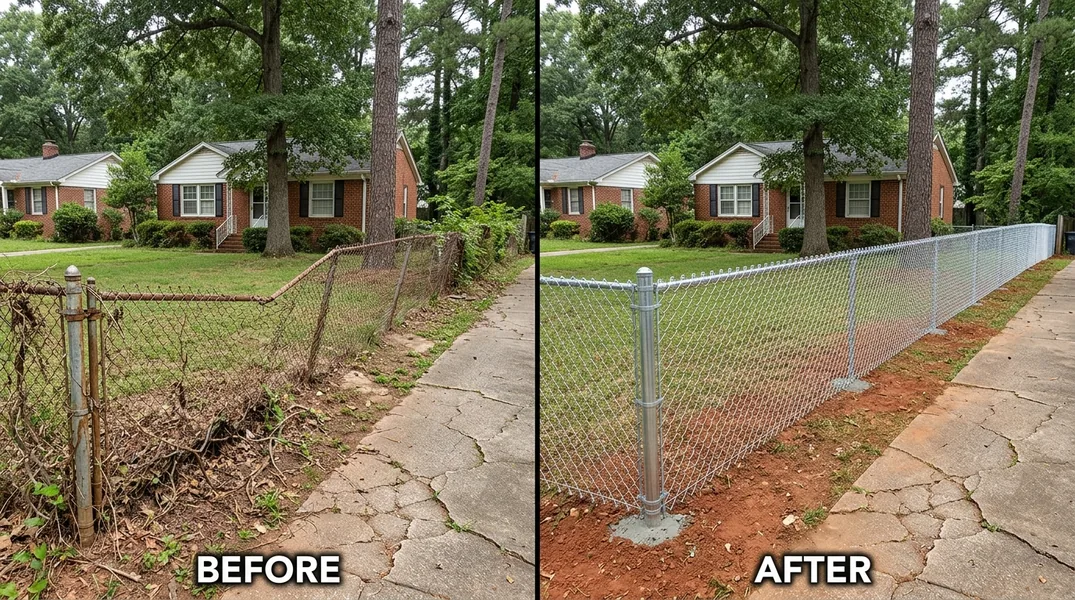
Understanding Wood Fence Lifespan in Charlotte's Clay Soil
If you're considering Wood & Privacy Fence Installation in Charlotte, one of the most important questions you'll ask is how long your investment will actually last. The answer depends heavily on your local soil conditions, maintenance habits, and the quality of materials used. In Charlotte, we're dealing with a unique challenge: dense, moisture-retaining clay soil that can significantly impact wood fence longevity.
Wood fences installed in Charlotte typically last between 15 and 20 years with proper care, though some well-maintained fences have been known to exceed this timeframe. Without regular maintenance, that lifespan can drop to just 8 to 12 years. The clay soil common throughout the region creates conditions that accelerate wood decay because it holds moisture against the fence posts and boards, creating an ideal environment for rot, fungal growth, and insect damage. Understanding these local factors will help you make an informed decision about whether Wood & Privacy Fence Installation is right for your property, or whether alternatives like Vinyl & PVC Fence Installation might better suit your needs.
How Clay Soil Affects Wood Fence Durability
Charlotte's Piedmont region is characterized by heavy clay soil that presents unique challenges for any structure in contact with the ground. When fence posts are set into clay, the soil retains water far longer than sandy or loamy soils would. This constant moisture exposure accelerates the natural decomposition process of wood, especially at the critical point where the post enters the ground. The damage typically begins below the soil line, where you can't see it developing until structural failure becomes apparent.
The moisture problem is compounded by Charlotte's humid subtropical climate, which creates extended periods of high humidity even when rainfall is moderate. This combination of wet soil and humid air creates what wood professionals call a "decay zone" around the base of fence posts. Additionally, the acidic nature of clay soil can break down wood fibers more quickly than neutral soils. If your fence posts aren't treated with pressure-resistant wood preservatives or installed with proper drainage considerations, you may see rot develop within 5 to 10 years rather than the typical 15 to 20 year lifespan. This is why working with experienced local contractors who understand Charlotte's specific soil conditions is essential for maximizing your fence investment.
Materials and Treatment Options That Extend Fence Life
Not all wood is created equal when it comes to fence installation in clay-heavy regions. Pressure-treated lumber is the industry standard for fence posts because the treatment process forces preservatives deep into the wood fibers, providing protection against rot and insects for 15 to 20 years or more. The treatment chemicals create a hostile environment for the fungi and bacteria that cause decay, which is especially important in Charlotte's moisture-prone conditions. When you invest in Wood & Privacy Fence Installation, always verify that your contractor is using properly pressure-treated posts rated for ground contact (typically marked as "UC3B" or "UC4" on the lumber stamp).
Beyond pressure treatment, several additional steps can significantly extend your fence's lifespan. Installing concrete footings around posts helps prevent direct soil contact and improves drainage. Some contractors in Charlotte recommend using post caps to shed water away from the top of the post, reducing the amount of moisture the wood absorbs from above. Applying a water-resistant sealant to the entire fence every 2 to 3 years is one of the most effective maintenance practices, though it does require ongoing effort and expense. If you want a low-maintenance option that still provides the look of wood, Vinyl & PVC Fence Installation offers exceptional durability without the need for sealing or staining, making it an increasingly popular choice for homeowners in the region.
Wood & Privacy Fence Installation Cost in Charlotte: What to Budget
Understanding fence installation costs is critical for homeowners planning their landscaping budget. The pricing for Wood & Privacy Fence Installation in Charlotte varies based on several factors, but most homeowners can expect to pay between $20 and $35 per linear foot for a standard privacy fence. This means that a typical residential fence of 150 linear feet might cost between $3,000 and $5,250 installed, though this range can shift based on your specific project requirements.
The pricing breaks down into two main components: materials and labor. Materials typically account for 40 to 50 percent of the total cost, while the fence installation labor cost makes up the remainder. Premium wood choices, decorative post caps, or enhanced foundation methods will increase your per-linear-foot cost. Additionally, site-specific factors like difficult terrain, existing vegetation removal, or complex gate installations can impact your final bill. To get an accurate understanding of what your specific project will cost, it's worth reaching out for a free estimate from Charlotte Fence Contractors. Our team can assess your property, discuss your preferences, and provide a detailed breakdown of costs so you know exactly what to expect.
Maintenance Practices to Maximize Your Fence Investment
Once your wood privacy fence is installed, the maintenance you perform will directly determine whether it lasts 12 years or 20 years. The most important maintenance task is applying a water-resistant sealant or stain every 2 to 3 years. This protective coating prevents moisture from penetrating the wood fibers and slows the natural graying and weathering process. In Charlotte's climate, where humidity and moisture are constants, this maintenance step is not optional if you want to maximize your fence's lifespan. Before applying sealant, you should clean the fence thoroughly with a pressure washer set to a low setting to remove mold, mildew, and dirt that can trap moisture against the wood.
Beyond sealing, regular inspections and minor repairs will prevent small problems from becoming expensive structural issues. Check your fence posts annually for signs of rot, especially at the soil line. Look for soft spots in the wood, pest damage, or leaning posts that indicate foundation issues. Trim back vegetation that grows against the fence, as plants trap moisture and can harbor insects. Ensure that water drains properly away from the fence line, especially in areas where clay soil tends to create low spots. If you notice damage early and address it promptly, you can often replace individual boards or sections rather than the entire fence. For homeowners in Mint Hill and surrounding areas who want professional guidance on maintenance, Charlotte Fence Contractors can provide recommendations tailored to your specific fence and soil conditions.
When to Consider Alternative Fencing Materials for Charlotte Properties
While wood privacy fences offer classic beauty and warmth, they're not the ideal choice for every Charlotte homeowner, especially those unwilling to commit to regular maintenance. If you're looking for a fence that will last 30 to 40 years with minimal upkeep, Vinyl & PVC Fence Installation deserves serious consideration. Vinyl is completely immune to rot, insects, and moisture damage, making it ideal for clay soil regions. It requires only occasional cleaning with soap and water, and it never needs sealing, staining, or painting. The initial cost is typically higher than wood, but over a 30-year period, the reduced maintenance costs often make it competitive or even less expensive than wood.
Other alternatives include Chain Link Fence Installation for practical applications like pet containment or property boundaries, or Aluminum & Ornamental Iron Fencing for homeowners seeking a more decorative aesthetic. Each material has distinct advantages and limitations depending on your priorities regarding durability, maintenance, appearance, and budget. The best choice for your property depends on your specific needs, the condition of your soil, and how much time and effort you're willing to invest in maintenance. To explore all your options and understand how different materials would perform on your Charlotte property, contact Charlotte Fence Contractors at (980) 208-1290 or request a free estimate today.
Looking for a professional tree service in Charlotte? Charlotte Fence Contractors responds fast for all your fence needs.
Get a Free Quote